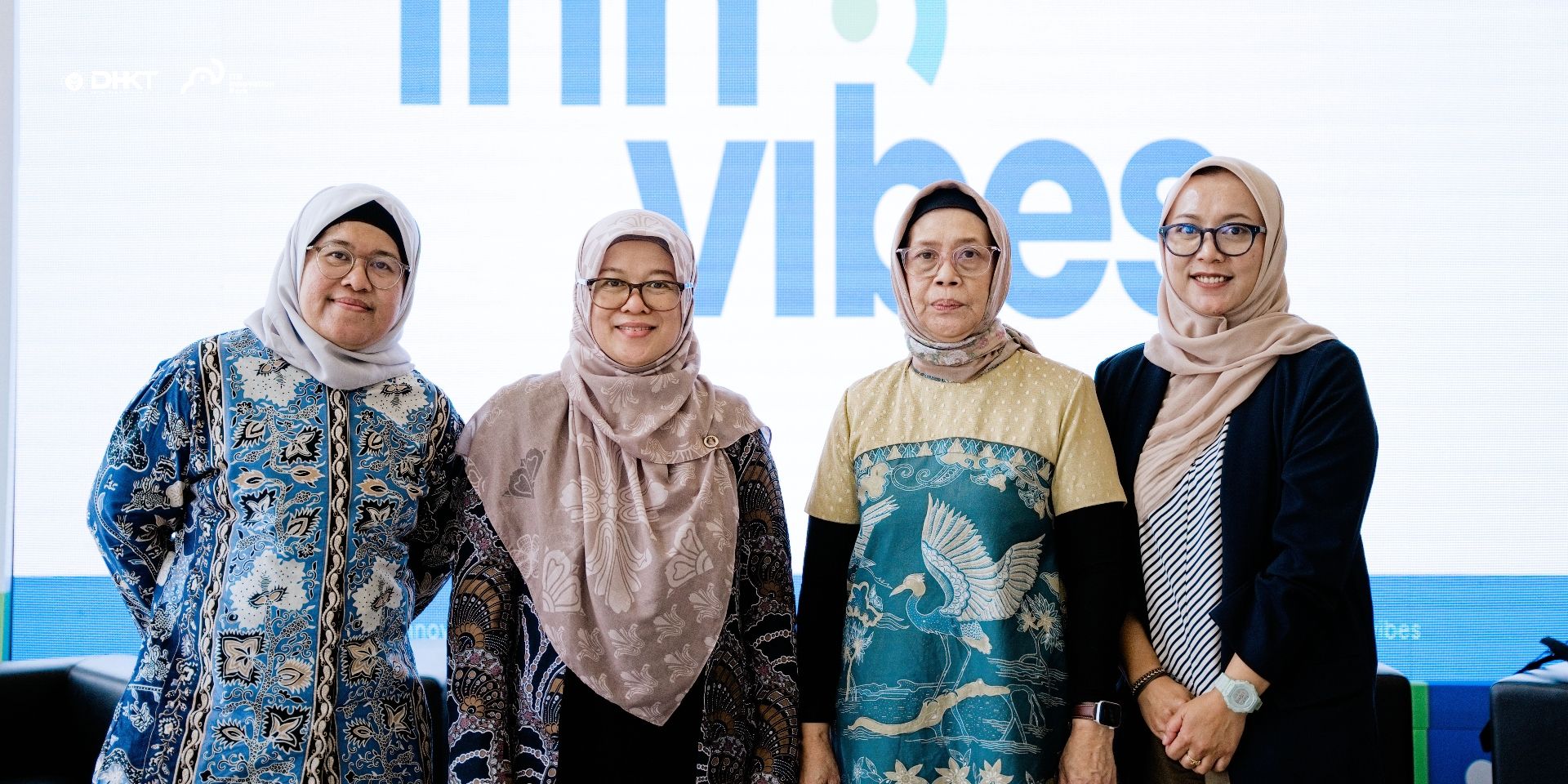
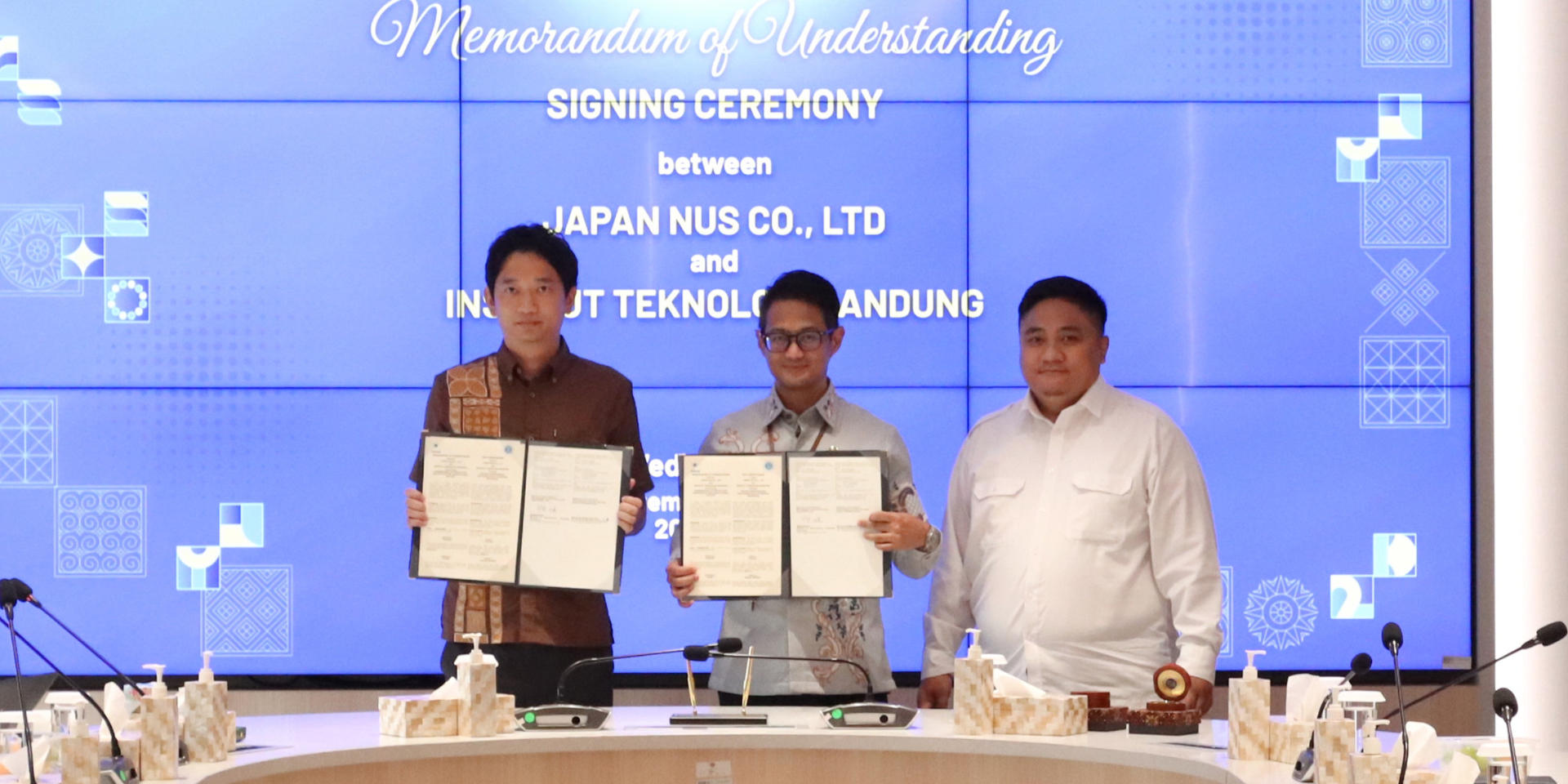
BANDUNG, dkst.itb.ac.id – Institut Teknologi Bandung (ITB) officially signed a Memorandum of Understanding (MoU) with Japan NUS Co., Ltd (JANUS) for a Greenhouse Gas Reduction Project in the Agricultural Sector. The signing took place in Rapim A Meeting Room at ITB’s CCAR Building on Wednesday (2 September 2026), demonstrating a strategic collaboration to support decarbonization and the transition toward a regenerative economy.
The first project under this collaboration will focus on Bandung Regency. Its scope includes monitoring greenhouse gas emissions from rice fields, assessing the feasibility of reducing emissions through water level management and fertilizer use, and conducting collaborative research. Bandung Regency will serve as a learning ground that brings together research expertise, technology, local practices, and support from the regional government.
The Director of Science and Technology Parks at ITB, Ir. Hary Devianto, S.T., M.Eng., Ph.D., IPM, ASEAN Eng., emphasized the institution’s role as a key enabler in transforming academic research into solutions that can be applied in society. “Research must not stop at producing knowledge and technology. It must also help us understand how innovation can be translated into practical solutions and create meaningful impact for communities,” Hary said.
Meanwhile, Yamase Ryo, Chief Consultant in JANUS’s Environmental Consulting Department, stated that effective climate action requires a combination of a strong scientific foundation and practical implementation. The partnership offers complementary strengths: ITB provides research capacity and multidisciplinary knowledge, while JANUS brings extensive experience in implementing field projects.
The initiative received appreciation and full support from the Bandung Regency Government. Robby Dewantara S., Head of Pollution Control and Environmental Law Compliance at the Bandung Regency Environmental Agency, said the project provides an excellent opportunity to address environmental challenges, including air, water, and soil quality in the region. The regional government is committed to supporting implementation directly in the field.
Through this agreement, ITB and JANUS hope to develop a practical model that not only reduces greenhouse gas emissions effectively but also supports sustainable agricultural development. In the future, this long-term partnership is expected to expand into other sectors and regions to help create a better environmental future.