Amid rising demand for clean energy and threats to food security due to climate change, researchers from the Bandung Institute of Technology (ITB) led by Acep Furqon, PhD (FMIPA) with Murdoch and Grifith University and various Indonesian-Australian partners through fundingCONNECTION PROGRAMdevelop a new approach that integratesrenewable energy, agriculture and digital technologiesgs This study not only aims to generate electricity from solar panels, but also to build a more productive, efficient, and resilient agricultural system in rural areas and remote islands of Indonesia.
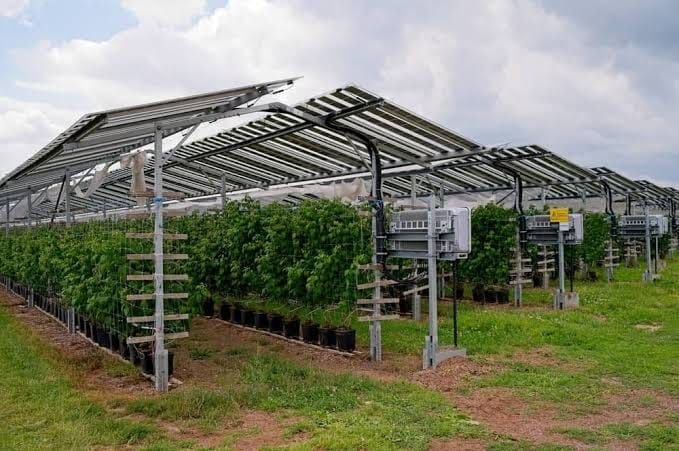
The concept developed is known asagrivoltaics, namely the simultaneous use of land to generate electricity and produce food crops. However, this research takes the concept a step further through the application ofdigital agriculturegs Various sensors are installed to monitor soil moisture, temperature, light intensity, irrigation needs, and plant growth in real time. The data is then processed into information that helps farmers determine planting, watering, and fertilizing times more accurately.
This data-driven approach is very important considering that Indonesian agriculture is increasingly facing uncertainty due to climate change. By utilizing digital technology, decisions that previously relied on experience can now be supported by scientific information so that the use of water, energy, and agricultural inputs becomes more efficient while increasing productivity.
Although CONNECTION research focuses on Eastern Indonesia, the ideas developed have strong relevance to the condition of the VillageCiroyomin the Cirata energy area, West Java, which is one of the societal impact areas of SBM ITB for rural Circular initiatives and small business development. As shown in the conceptual study of ITB, Ciroyom is an example of a village that underwent economic transformation after the construction of the Cirata Reservoir. Agricultural activities that used to be the main source of livelihood gradually declined, while the service and tourism sectors grew rapidly. Currently more than 400 restaurants operate in the area, so local food needs are increasingly dependent on supplies from outside the village.
These conditions indicate that the challenges of rural development are not only providing clean energy, but also reviving food production capacity. Therefore, the concept of agrivoltaics is seen as a solution that can connect renewable energy with agricultural revitalization. At Ciroyom, this approach was even developed asliving laboratory, which is a collaboration space between universities, government, energy companies, BUMDES, and the community to test technology, business models, and social innovation directly.
This Indonesia-Australia collaboration shows that the future of the energy transition depends not only on solar panel technology, but also on the ability to integrate energy, digital agriculture, and community empowerment in an innovation ecosystem. With this approach, villages are no longer seen as beneficiaries of development, but rather as innovation centers that are able to produce clean energy, food, data, and economic opportunities in a sustainable manner.
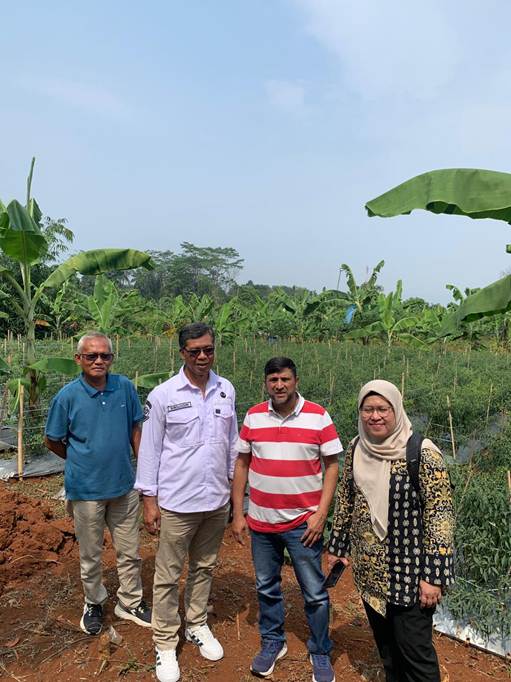
Together with the Ciroyom village apparatus: Field survey prior to installation