What if the waste of kakao skin and the yeast plant that's been regarded as an environmental problem could be an alternative energy source with an alternative value of a wire that can compete with coal?
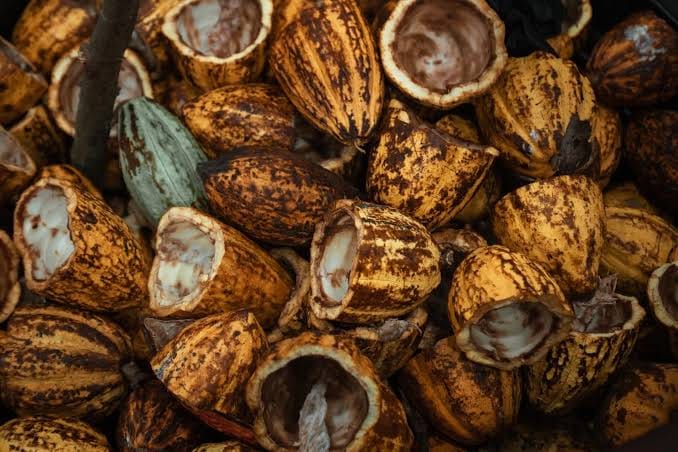
It's this idea that is the basis of innovation the biomass briefs of worksMaryati's mother, that developed the utilization of two local biomass sources, the skin of a cacao fruitThenemma cacao) and a muzzleEichhornia crassipes), as fuel alternative solid fuel.
This innovation offers an interesting approach to renewable energy development: utilizing material available in the neighborhood, processing it into a product of economic value, as well as opening up the possibility of reduction in fossil energy.
Valor value: Potential Energy Compelling Coal
The main advantage of innovation lies in the potential value of the calendar that can reach a certain coal corridor range. Taylor's value is a measure of heat energy generated when a fuel is burned perfectly. The higher the Taylor value, the greater the energy that can be generated from any unit of fuel mass.
In comparison, coal has a variety of Taylor value, from about 3,000 to over 6,000 kal / kg, depending on its type and quality.
Through the process of biomass processing, setting up the composition of materials, drying, and drying into brickets, cacao skin and yolk cork potentially produces solid fuel with competitive combustion characteristics.
The ability to achieve the value of a Taylor approaching coal becomes an important aspect of the development of innovation. However, a specific Taylor value equality still needs to be proven through lab testing results against the product the brickets developed.
Two Environmental Disorders, One Energy Solutions
It's an agricultural residue available in the cacao-producing region. If it's not properly managed, it can cause environmental problems as well as lose opportunity for economic utilization.
Meanwhile, the mumps are known as fast-growing water plants and can disrupt the water ecosystem, block the flow of water, and increase the maintenance costs of lakes and rivers.
Combining these two materials as raw materials brickets open up the possibility of creating a circulating economic system, when agricultural residue and biomass of water cleaning is converted into useful energy products.
Opportunity of Energy substitution for Industrial and Society
Biomass brickets have the potential applications for various thermal energy needs, from food processing, agricultural drying to small and medium industrial activities.
If the Taylor value, water levels, ash, emissions and burning stability meet the user's needs, these brickets can be developed as an alternative to the use of some coal on certain applications.
Further away, local biomass-based brickets are also potentially creating new value chains for farmers, community groups, waste management, and energy business users.
To More Circular Energy
Mrs. Maryati's innovation shows that the transition of energy doesn't always have to begin with large-scale technology. Solutions can be born of the ability to identify local potential resources and convert them into products that have economic value and environmental benefits.
Further development through quality standardized, emissions testing, performance validation, and industrial partnership will be an important step towards commercial.
From the skin of the cacao and the muzzle, this innovation carries a simple message: the materials previously considered waste can be a source of future energy.